Minor Arcana · Swords
Three of Swords tarot card meaning
Heartache that is better felt than hidden — tears as the start of healing
- heartache
- disappointment
- sorrow
- painful truth
- release
Yes or no answer
No
The Three of Swords leans toward no: right now this question holds more hurt than support.
What the card shows
On our card, a large red heart floats among storm clouds, crossed by three glowing swords. Golden cracks run across its surface and red drops fall from it like tears that have finally been allowed to fall. Rain pours all around, a soft light glows behind the heart, and below, everything is mirrored in still, dark water.
The three swords are thoughts, words and truths — the things that reach the heart most painfully. The gold in the cracks matters: light comes through the break itself, as if the wound has already begun to mend. Rain does not last forever; it washes and clears, and the calm water underneath promises quiet after the storm.
Upright meaning
The Three of Swords upright means pain, disappointment and a wounded heart. It is one of the most recognizable cards in the deck because it names what hurts honestly and does not pretend everything is fine.
The card appears when the truth has turned out to be bitter: a hurtful word, a collapsed expectation, shaken trust, or simply sadness that has been building for a while. Swords are the suit of the mind, and the Three often shows that what wounds is not only the event but also the thoughts that keep circling it. Pain that is acknowledged passes faster than pain that is hidden. Here, tears are not weakness; they are where healing starts.
Reversed meaning
The Three of Swords reversed speaks of healing, forgiveness and letting the pain go. The hardest part is behind you, and the heart is slowly starting to breathe again.
Sometimes the card points to something else: sadness that was never felt, only tucked away. Then it asks you not to rush into "I'm fine." Talk to someone close, write down what hurts, let the feeling run its course — and only then turn the page.
Three of Swords in love and relationships
Upright
In love, the Three of Swords means sadness and disappointment. If you are single, it may point to an old wound that still keeps you from opening up to someone new. In a relationship, it is hurtful words, unmet expectations or a hard conversation that leaves you both aching. The card does not pass a verdict on the relationship; it shows that the pain needs to be talked about honestly instead of ignored.
Reversed
Reversed in a relationship, the Three of Swords is a time of reconciliation and healing. The hurt loses its edge, and the wish to understand replaces the wish to blame. If you have been through a hard stretch together, the card says the worst is behind you. If the relationship has ended, the heart is gradually letting go and learning to trust again.
Three of Swords as feelings
When the Three of Swords describes someone's feelings for you, there is a lot of hurt in them right now. They may feel let down by something, or they may be carrying an old wound that has nothing to do with you. The feelings are real but tinged with sadness, and what this person needs is time and gentleness, not pressure.
Three of Swords in work and career
At work, the Three of Swords is disappointment: a project turned down, criticism that stung, expectations that did not match reality. The card suggests separating the facts from the hurt and taking the lesson without putting yourself down. Hold the difficult conversation once the first wave of emotion has passed.
Three of Swords in money
With money, the Three of Swords points to frustration over a loss or a plan that fell through. Avoid making money decisions while emotions are high — give yourself time to cool down first. The card describes a feeling, not a verdict on your finances.
Three of Swords as the card of the day
As a card of the day, the Three of Swords asks you to be gentler with yourself. If something hurt, do not bury it: talk, write, cry if you need to. A feeling that is fully felt lets go sooner.
The card's advice
Let yourself be sad. Name what hurts and do not rush the healing: pain that is felt moves on, while pain that is hidden stays.
Three of Swords in combination with other cards
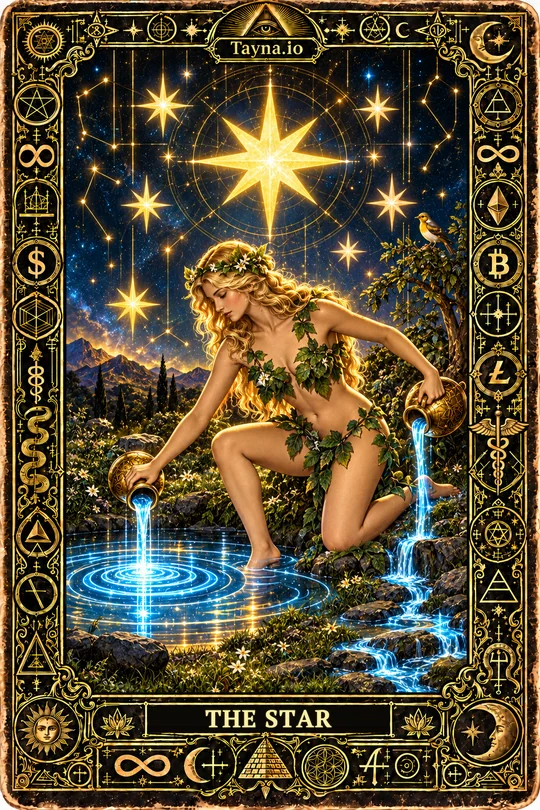
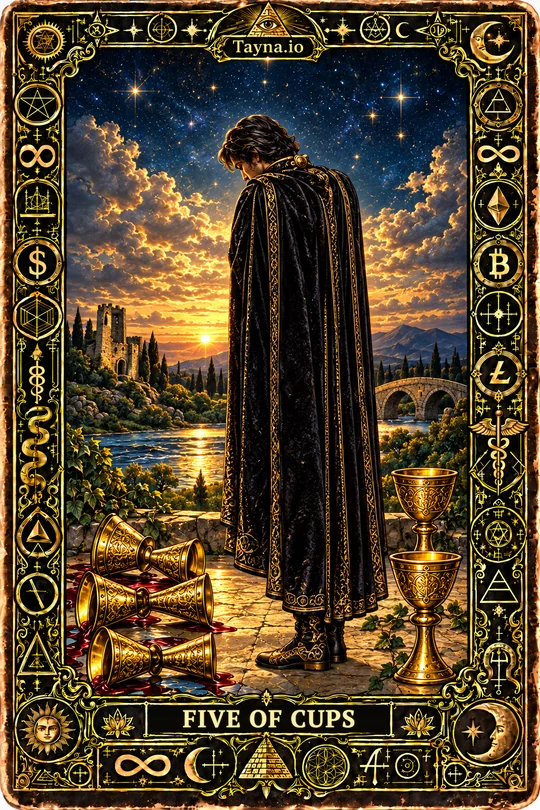
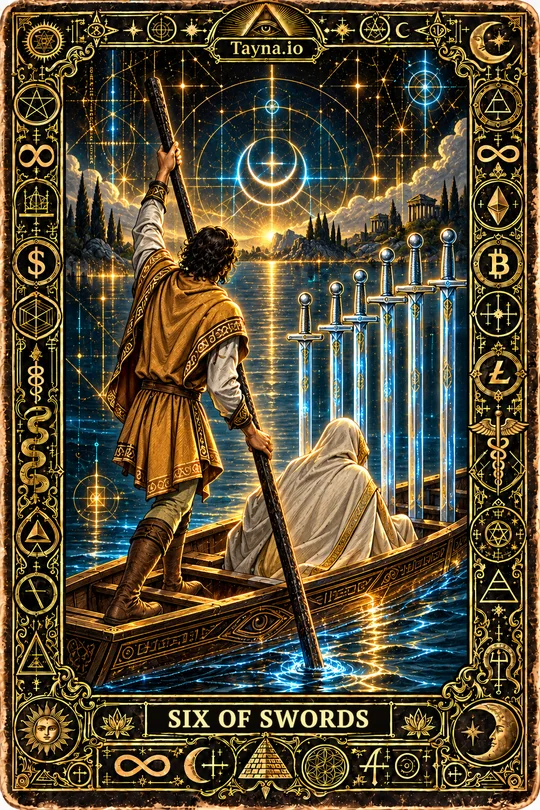
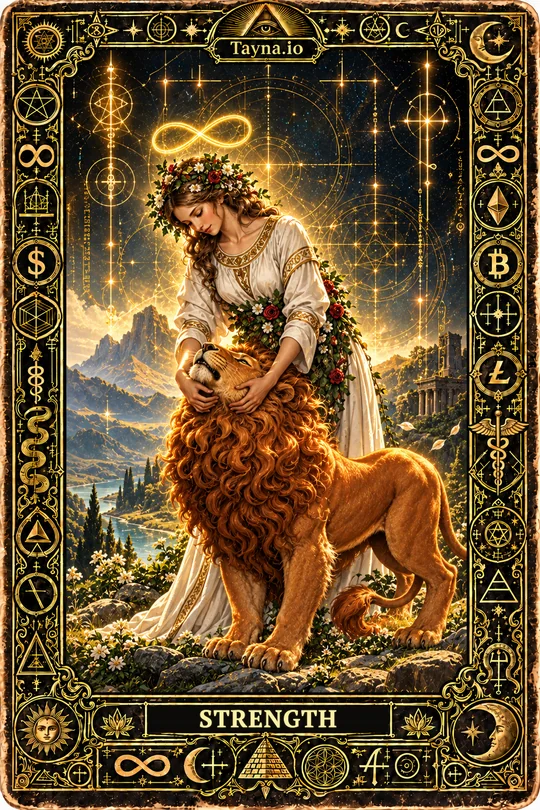


Frequently asked questions about Three of Swords
Is the Three of Swords always negative?
It is a hard card, but not a frightening one. It speaks about pain that is already there and gives it a name. Admitting sadness is the first step toward letting it pass.
What does the Three of Swords mean in a relationship reading?
Hurt, disappointment or a painful conversation. The card does not say the relationship is over; it shows that the wound needs to be discussed honestly and kindly, without trading blame.
What does the Three of Swords reversed mean in love?
Healing and forgiveness. The hurt is loosening its grip, making room for new warmth — with the same person or in a future relationship. Sometimes it is also a reminder not to bury sadness but to feel it through.
What does the Three of Swords say about how someone feels about me?
They are hurting or sad — because of what is happening between you, or because of something of their own. The feelings are there, but the wound overshadows them. Right now they need care more than a confrontation.
How should I read the Three of Swords as a future card?
As a heads-up about possible sadness, not as something fixed. A future card shows where the current path leads and gives you time to change course: say the important thing sooner, handle expectations more gently.